
2026 Checklist
Spring Junk Removal in Chicago: What to Clear Out, and What the City Will Not Take
By Joe Scorpio, Junk Jaws · Chicago & Chicagoland
Spring junk removal in Chicago means clearing winter debris from your yard, garage, attic, and basement — and knowing what the city will not haul away. Illinois bans yard waste from landfills, so leaves and branches cannot go in your black cart. Junk Jaws loads and hauls it all in one visit, with same-day service available.
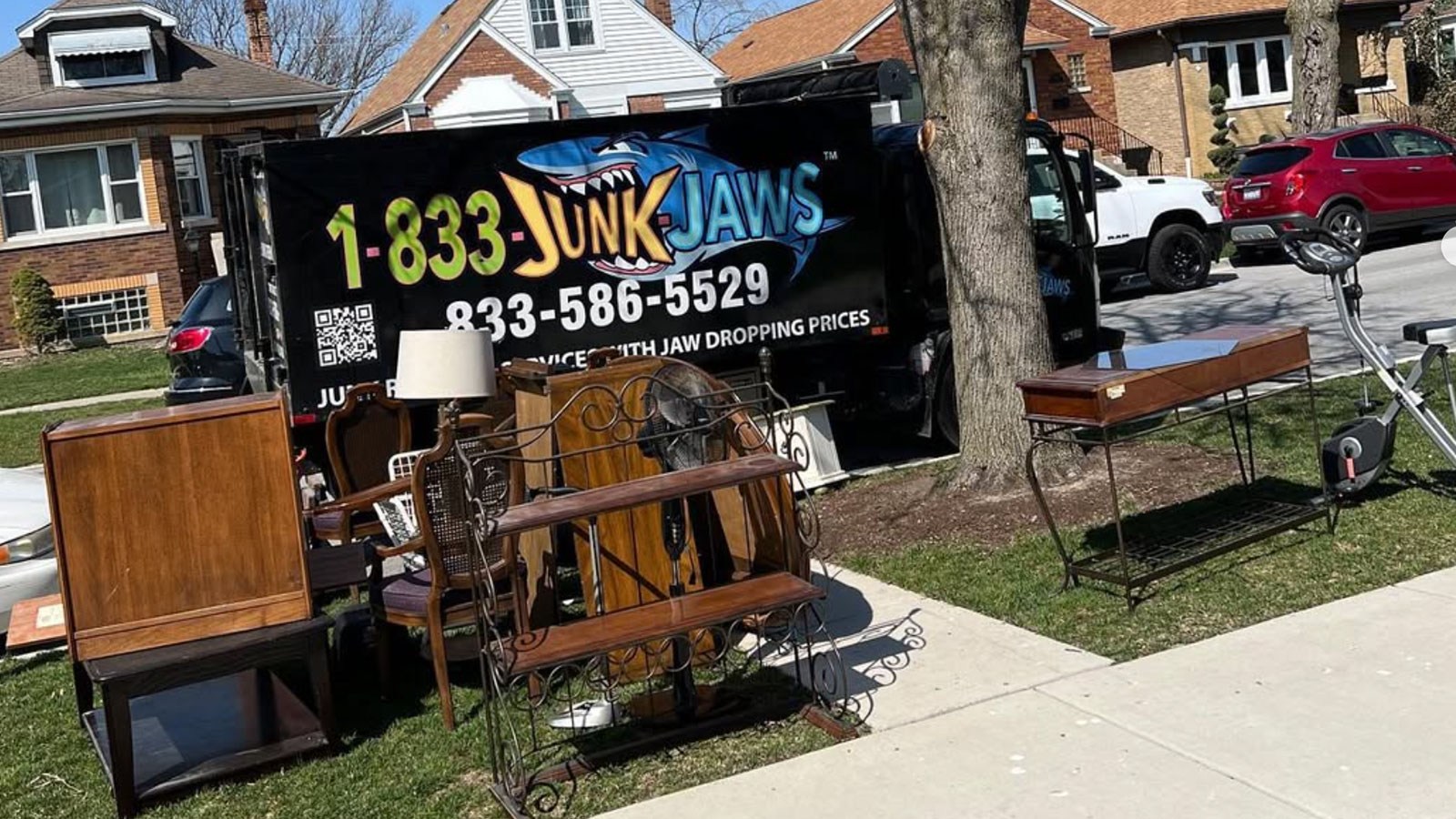
Every Chicago spring follows the same script. The snow finally goes, and what is left behind is a yard full of broken branches, a garage you have not been able to park in since November, and a pile of things you have been stepping around for four months. The urge to clear it out is easy. Knowing where it can legally go is the part that trips people up.
This guide is the practical version: what to pull out of each space, what the City of Chicago will and will not collect, and where the rest has to go. If you want the year-round version instead, our Chicago junk removal guide covers the whole picture.
What Chicago will not take at the curb
This is the part most spring cleaning advice skips, and it is the part that costs you a Saturday. Chicago does not simply take whatever you leave in the alley.
The year Illinois banned landscape waste from landfills. Leaves, grass, branches, brush, and garden waste cannot be mixed into your regular garbage — a rule most residents have never heard of.
Because of that ban, yard waste cannot go in your black cart. Chicago runs an opt-in program instead: you bag yard waste separately from the black cart and the blue recycling cart, then call 311 or file a request online. The Department of Streets and Sanitation sends a separate truck and takes the bags to be composted. If you never call, the bags just sit there.
A few other things Illinois keeps out of landfills, all of which tend to surface during a spring cleanout:
- Electronics — TVs, computers, printers, and similar devices are banned under the state Electronic Products Recycling and Reuse Act.
- White goods — refrigerators, air conditioners, and other large appliances.
- Tires and used oil — the classic garage-corner discoveries.
- Household chemicals — paint, solvents, pesticides, and pool chemicals need a hazardous waste drop-off, not a cart.
Start outside: yard and patio debris
Work outside-in. The yard is where winter did the most damage, and it is the fastest visible win.
- Storm and wind debris — downed branches, brush, and limbs that came off during winter storms.
- Leaves you never got to — the ones that went under the snow in November and reappeared in March.
- Dead patio furniture — the chairs that cracked in the freeze, the umbrella the wind finished off.
- The grill — if it did not survive the winter, it is scrap metal, not garbage.
- Broken planters, pots, and edging — terracotta and freeze-thaw are not friends.
- Old fencing, sod, and landscaping leftovers — anything left from last season’s project.
Small bagged loads of leaves and clippings are a 311 job. Larger volumes, big branches, broken furniture, and anything mixed together are not — that is where yard debris removal Chicago crews come in. Junk Jaws handles post-storm debris, leftover sod, overgrown branches, and leaf piles, and composts or recycles yard debris whenever possible.
Your browser does not support embedded video. See yard debris removal in Chicago.
The garage, shed, attic, and basement
These four are the same job wearing different hats: a space that quietly became storage for things you stopped deciding about. Spring is when you decide.
The method that works is boring and effective — pull everything out, sort into four piles (keep, donate, recycle, remove), and be honest about the “used it in the last year” test. Do not re-shelve anything until the floor is empty. For the garage specifically, we have a full step-by-step garage cleanout checklist that walks the whole process, so this guide will not repeat it.
Garage & shed
Bikes nobody rides, dead power tools, sports gear two sizes ago, paint cans, and the boxes that came with appliances you no longer own. See garage cleanouts.
Attic
Holiday decorations you have replaced, luggage with broken zippers, and boxes that have not been opened since the move. See attic cleanouts.
Basement
Chicago basements take on damp. Anything cardboard, upholstered, or particle-board that sat through a wet winter is usually past saving.
Watch for
Old paint, solvents, and pool chemicals hiding on a shelf. These are not eligible for pickup and need a hazardous waste drop-off.
A basement is the clearest before-and-after in the house. Drag the slider:
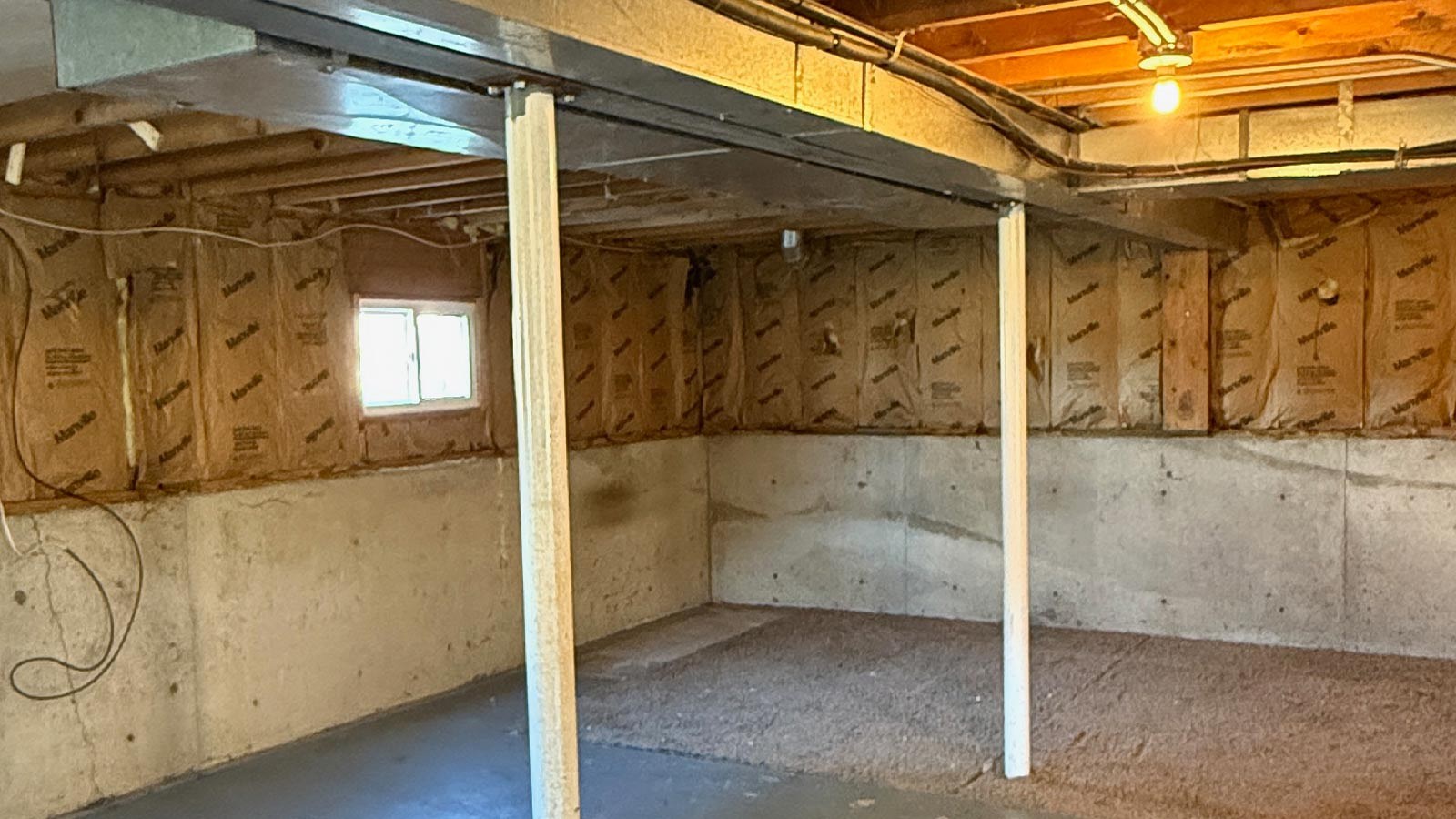
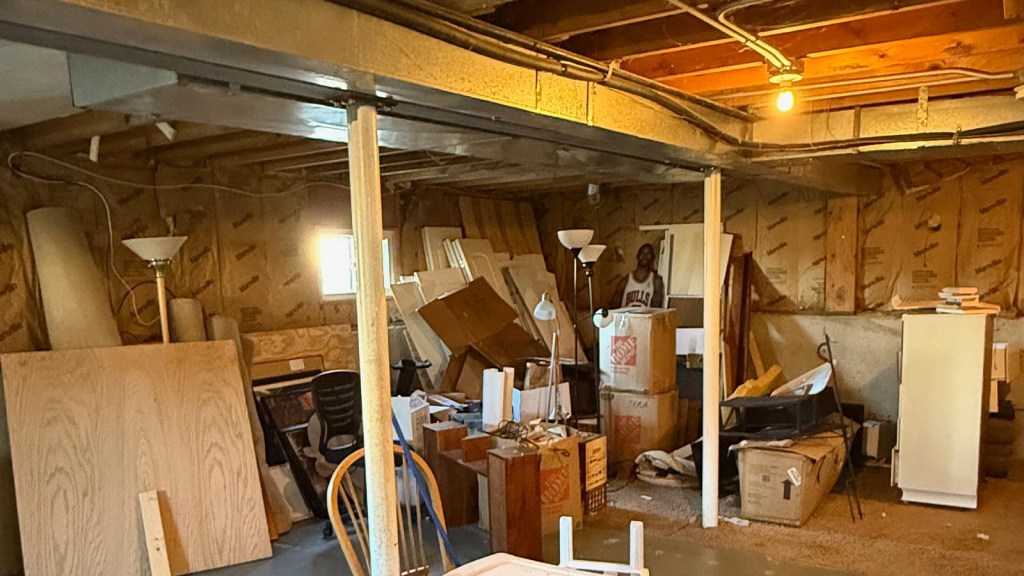
Furniture and mattresses that come out of these spaces are their own category — bulky, awkward on stairs, and not something the city takes at the curb. Junk Jaws handles furniture removal and full house cleanouts if the job outgrows a single room.
Electronics, appliances, and hazardous material
This is the pile that stalls most spring cleanouts, because none of it can go in a cart and people are not sure what to do with it.
| What you found | Where it actually goes |
|---|---|
| Old TV, PC, printer | Banned from Illinois landfills. Recycle through a designated e-waste program or the city’s Household Chemicals & Computer Recycling Facility. |
| Fridge, freezer, A/C unit | Banned as white goods. Junk Jaws handles appliance removal and routes them to scrap recyclers. |
| Paint, solvents, pesticides | Household hazardous waste. Not eligible for junk removal — take to a household chemicals drop-off. |
| Tires, used oil | Banned from landfills. Most auto shops and drop-off sites accept them. |
| Scrap metal, old grill | Recyclable. Junk Jaws separates metal on the load rather than landfilling it. |
Timing your spring cleanout
Chicago’s spring is short and everyone reacts to it at once. The first genuinely warm weekend is when every homeowner in the metro decides to clear the garage — and it is also when move-outs and renovation debris hit the same crews.
- Book before the first warm weekend, not during it. Availability tightens fast once the weather breaks.
- Weekdays beat Saturdays. If your schedule allows it, a weekday morning is the easiest slot to get.
- Do not let the pile sit outside. A spring rain turns a light, bulky load into a heavy, soaked one — and cardboard and upholstery do not recover.
- Stack it if you can. Not required, but a curbside pile loads faster than a scattered one.
When to call a crew instead
Plenty of spring cleaning is a DIY job. A few bags of leaves and a 311 request will cover a small yard. The calculus changes when:
- The volume is past what fits in a car, and you would be making four trips.
- It is heavy or awkward — appliances, a sectional, a basement’s worth of boxes down a narrow Chicago staircase.
- It is mixed. Sorting a pile into compost, scrap, donation, and landfill streams is the actual work, and it is what a crew does for you.
- You want it gone today rather than across three weekends.
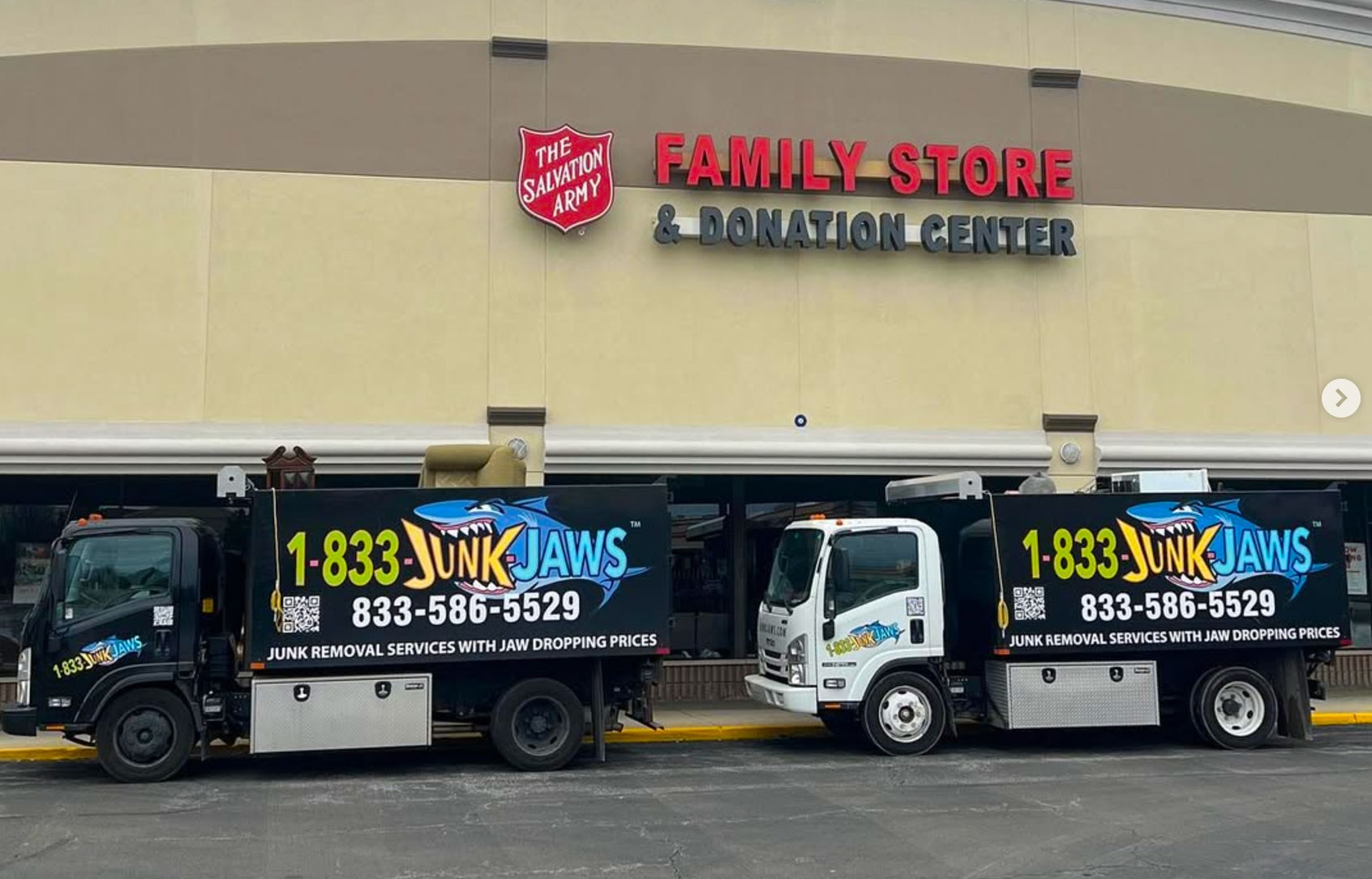
Junk Jaws is family-owned and includes labor, loading, hauling, and disposal in one up-front number — pricing is volume-based, so you only pay for the space you use. Current rates are on the pricing guide. Junk Jaws serves Chicago along with Oak Park, Elmwood Park, Elmhurst, Arlington Heights, Bloomingdale, Deerfield, Glenview, Hinsdale, La Grange, Lombard, River Forest, and Rosemont — see service areas for the full list.
Frequently asked questions
Does the City of Chicago pick up yard waste?
Can I put leaves and branches in my black cart?
What does Junk Jaws take in a spring cleanout?
What can Junk Jaws not remove?
When is the best time to book a spring cleanout in Chicago?
How much does spring junk removal cost in Chicago?
Do I have to carry everything to the curb?
What happens to the items after they are hauled away?
Clear it out before the season gets away from you.
Same-day and next-day spring cleanouts across Chicago and the suburbs. Yard debris, garage clutter, appliances, and furniture — loaded, hauled, and sorted in one visit.

Joe ScorpioJoe writes for Junk Jaws, a family-owned junk removal company serving Chicago and the surrounding suburbs since 2022. More about the team.
Ready to make room? Let's haul it away.
Call our Chicago team for a free, no-obligation quote — or request one online and we'll get back to you the same day. Up-front pricing, no hidden fees, ever.