What You Can and Can’t Throw Away
By Joe Scorpio, Junk Jaws · Chicago & Chicagoland
When you’re cleaning out a home, garage, office, or job site, it’s easy to assume that everything can simply be loaded into a truck and hauled away. In reality, disposal rules are far more detailed. Certain items are perfectly safe for standard removal, while others are restricted due to environmental regulations, safety hazards, or landfill policies. Understanding these differences is essential before scheduling professional junk removal in Chicago.
These rules are not meant to complicate your project. They exist to protect homeowners, waste facility workers, and the environment. Some materials can leak harmful chemicals, others can ignite under pressure, and certain products require specialized recycling processes. A reputable company will always follow proper guidelines to ensure safe transport and responsible disposal.
At Junk Jaws, safety and compliance are part of every job. Whether you are clearing out old furniture, renovating a property, or handling a large estate cleanout, knowing what is acceptable and what requires alternative disposal prevents delays and frustration.
This guide breaks down what you can typically throw away, what is commonly prohibited, and how to handle restricted items properly. By understanding these junk removal safety rules, you can move forward confidently and ensure your cleanup project stays smooth, safe, and stress-free.
What You Can Typically Throw Away
Most household and office items are completely acceptable for professional removal. Furniture tops the list. Couches, recliners, dining tables, mattresses, bed frames, dressers, and bookshelves are standard items crews haul away daily. These bulky pieces are difficult to transport without a truck, which makes hiring professionals an efficient solution.
Appliances are also commonly accepted. Washers, dryers, stoves, dishwashers, microwaves, and refrigerators can typically be removed, provided they meet safety guidelines. Many of these items are routed to recycling facilities rather than sent directly to landfills, helping reduce environmental impact.
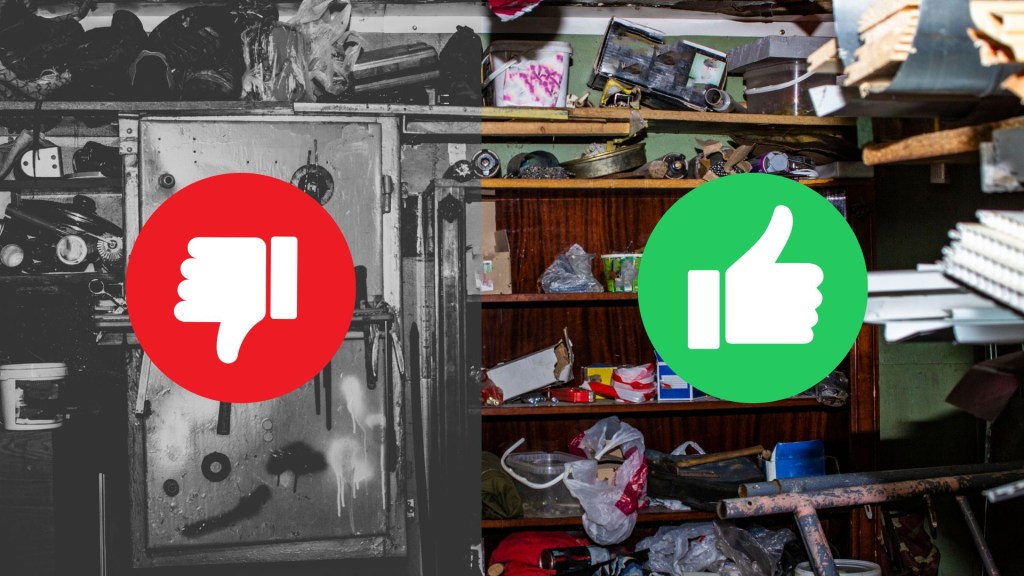
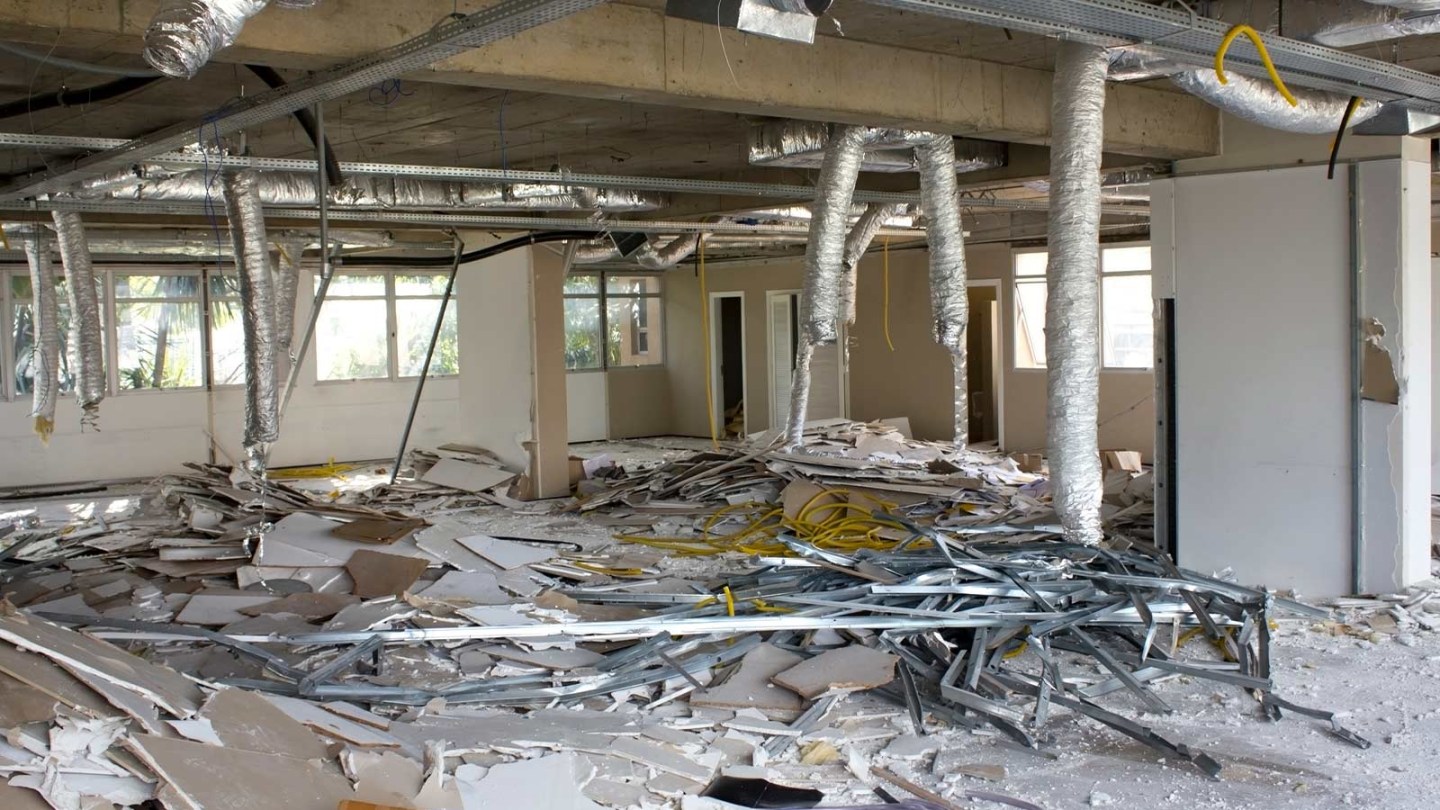
Construction debris from minor remodeling projects is another frequent category. Wood scraps, drywall, flooring materials, cabinetry, and non-hazardous renovation debris are usually safe for hauling. Homeowners upgrading kitchens or bathrooms often rely on services like our construction debris removal to simplify cleanup.
Yard waste is generally acceptable as well. Old fencing, deck boards, patio furniture, branches, and landscaping debris can be loaded and transported without issue. Shed tear-downs and outdoor cleanouts are routine projects.
Electronics such as televisions, printers, and computers are often collected and taken to certified recycling centers. Proper e-waste processing prevents toxic metals from entering soil and water systems.
General household clutter—including clothing, toys, décor, boxed items, and miscellaneous junk—is rarely restricted. Items in usable condition may even be donated when possible.
While most everyday items qualify, confirming specifics in advance is always wise. Clear communication ensures your junk removal in Chicago appointment stays efficient and avoids unexpected complications.
Items That Are Commonly Prohibited
- Hazardous Chemicals: Paint thinner, pesticides, and solvents contain toxic compounds requiring specialized disposal.
- Asbestos Materials: Certain insulation and older building materials pose serious health risks when disturbed.
- Medical Waste: Needles and biohazard materials must be handled by licensed facilities.
- Propane Tanks: Pressurized containers can explode if compacted.
- Gasoline and Fuels: Highly flammable and unsafe for transport in general loads.
- Wet Paint: Liquid paint requires drying or hazardous waste processing.
- Car Batteries: Contain lead and corrosive acid requiring recycling.
- Tires: Often restricted due to fire hazards in landfills.
- Explosives or Ammunition: Must be handled through law enforcement channels.
- Large Concrete Loads: May exceed truck weight limits.
- Oil and Automotive Fluids: Require proper recycling at approved centers.
- Industrial Drums: Unknown substances cannot be transported without documentation.
- Radioactive Materials: Strictly regulated under federal law.
- Bulk Aerosol Cans: Can ignite under pressure during disposal.
Why These Restrictions Exist
Disposal restrictions are rooted in safety and environmental protection. Landfills operate under strict regulations that control what materials may enter their facilities. When prohibited items are mixed into general waste, the consequences can be severe.
Hazardous chemicals can contaminate groundwater. Flammable liquids can ignite inside garbage trucks. Pressurized tanks may explode when crushed. Medical waste poses contamination risks. These dangers affect not only disposal workers but also nearby communities.
Environmental laws at local, state, and federal levels require proper handling for many materials. Professional companies must follow these guidelines to maintain licensing and insurance coverage. Failure to comply can result in fines and liability issues.
Recycling also plays a role. Electronics contain valuable metals that can be reclaimed. Car batteries are recycled for their lead components. Proper separation ensures usable materials are not wasted.
By following junk removal safety rules, companies protect public health and support sustainable waste management. These guidelines ultimately benefit homeowners and communities alike.
How to Safely Dispose of Prohibited Items
Restricted items still have safe disposal options. Many communities host hazardous waste collection events where residents can drop off chemicals, fuels, and paints. Permanent household hazardous waste facilities also operate year-round in many areas.
Automotive shops often accept used batteries and motor oil for recycling. Electronics recycling centers properly process televisions and computers. If you are managing a sensitive situation such as a property transition, services like estate cleanouts can help coordinate sorting and removal while you arrange specialized disposal for restricted materials.
Keep questionable materials sealed in original containers and clearly labeled. Never mix chemicals together or pour liquids into drains or storm systems.
If renovation debris may contain asbestos or lead-based materials, contact certified abatement professionals. These specialists are trained and licensed to handle hazardous building components safely.
Separating restricted materials before your appointment ensures your removal crew can complete the job efficiently. Taking a few extra steps protects your property, your neighborhood, and the environment.
Frequently Asked Questions
Can you remove old paint?
Are refrigerators allowed?
What about electronics?
Can you take hot tubs?
Is construction debris allowed?
Do you accept tires?
Can propane tanks be removed?
Is there a weight limit?
What if I’m unsure?
Why are some items restricted?
Final Thoughts on Responsible Disposal
Understanding what you can and cannot throw away ensures your cleanup stays safe and efficient. Most household items are simple to remove, but hazardous materials demand careful handling. These rules protect workers, prevent environmental damage, and ensure recyclable materials are processed correctly.
When planning a project involving junk removal in Chicago, take time to sort questionable items in advance. Clear communication with your provider eliminates surprises and keeps your appointment running smoothly.
Choosing a professional team that prioritizes safety makes all the difference. Responsible disposal is about more than clearing clutter—it’s about protecting your community while reclaiming your space.
If you’re ready to schedule reliable, compliant service, Junk Jaws is here to help you handle your unwanted items the right way.
Ready to clear it out?
Junk Jaws is a family-owned crew serving Chicago and the surrounding suburbs. We do the lifting, the loading, and the disposal — you just point at the pile.
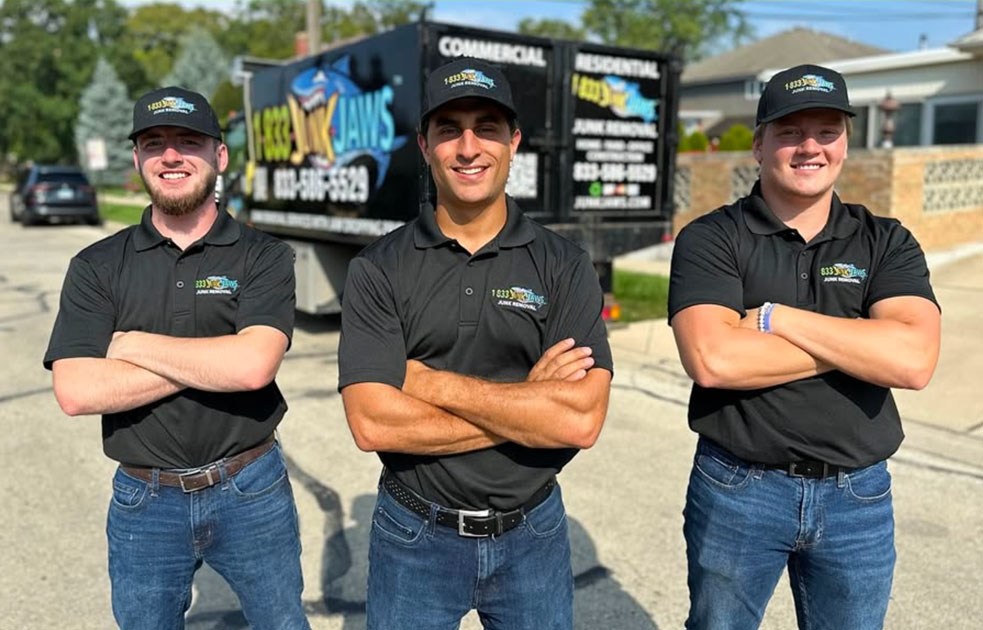
Joe ScorpioJoe writes for Junk Jaws, a family-owned junk removal company serving Chicago and the surrounding suburbs since 2022. More about the team.
Ready to make room? Let's haul it away.
Call our Chicago team for a free, no-obligation quote — or request one online and we'll get back to you the same day. Up-front pricing, no hidden fees, ever.